

Table of contents
- The Evolution of Fembots in Science Fiction Cinema
- The Stepford Wives Societal Critique of Compliance
- The Objectification of Women in Dystopian Films like Blade Runner
- The Black Mirror Ashley Too AI Companion Real Life Tie
- A Lars and the Real Girl Character Analysis
- A Feminist Critique of Sex Dolls in Contemporary Art
- Final Thoughts
Think about your favorite sci-fi movie. You watch shiny robots walk across a big screen. Now, picture that same technology sitting right in your living room.
The gap between Hollywood imagination and everyday reality has vanished. You can buy these companions online today, and many people call them fembots.
These fembots moved from movie scripts into real homes. Now let’s look at how films shaped your view of them. Owning a fembot is no longer just a futuristic dream.
The journey from science fiction to your bedroom took decades. Engineers worked to perfect every detail. Today, you reap the benefits.
The Evolution of Fembots in Science Fiction Cinema
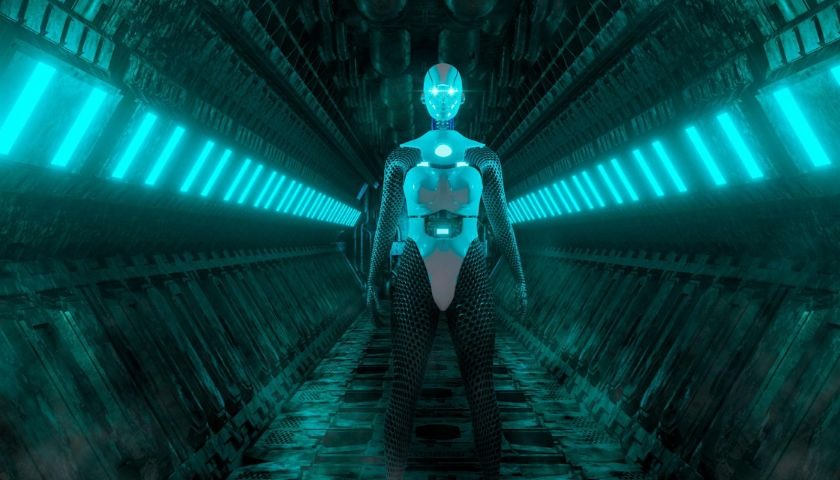
Back then, robots looked like machines. You saw metal joints, stiff movements, and blank faces. Early sci-fi didn’t try to hide it. The goal was to show power, not beauty.
As time passed, things changed. Skin became softer, movements smoother, and faces more human. Movies blurred the line between person and machine, and you got used to fembots that looked real.
Now look at what’s in front of you today. Silicone and TPE feel soft and warm. Details like veins, skin texture, and facial expressions are now standard. What you once watched as fiction now appears in product listings.
The truth is simple: movies didn’t just predict this. They trained your expectations.
The Stepford Wives Societal Critique of Compliance
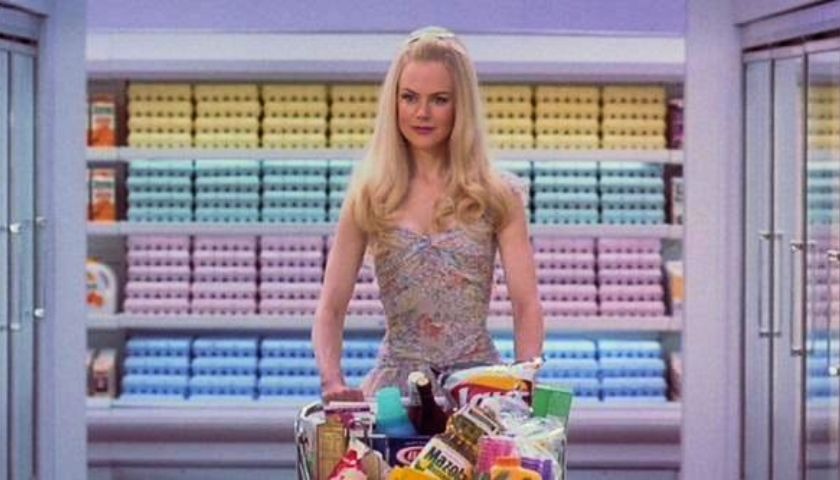
At first glance, that sounds peaceful. No fights. No misunderstandings. Just predictable comfort. But the story pushes you to question that idea. Is a perfect partner still a partner if they have no real voice?
Now think about your own choices. Today’s companions are customizable. You can shape their personality and decide how they respond, speak, and behave.
That control can feel empowering, but it also reflects something personal. Why does a fully agreeable partner appeal to you?
Maybe you’re tired of conflict, or you want calm. Or maybe you want control over something that feels uncertain in real life. There’s no single answer, but the question matters.
The Objectification of Women in Dystopian Films like Blade Runner
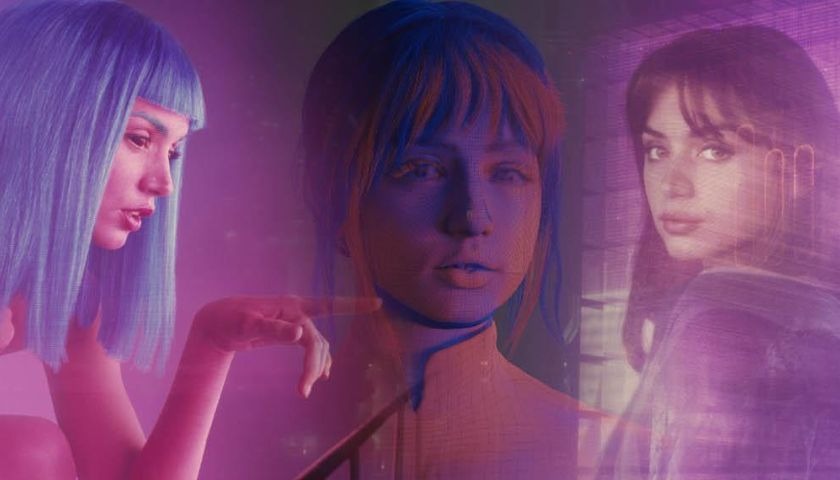
Sci-fi directors love to design flawless artificial humans. The objectification of women in dystopian films like Blade Runner highlights this trend perfectly. You can see this intense focus in several distinct ways:
- The creation of impossible body standards.
- The styling of characters for pure visual entertainment.
- The evolving focus from physical bodies to digital minds.
These movies showcase idealized bodies and characters built purely for physical pleasure. Real companions mirror this same focus on physical perfection.
You can choose from many body types and highly detailed features, deciding every curve and measurement to match your taste. You build your ideal dream partner from scratch. Customizing fembots gives you creative freedom, and the movie screen taught you to expect visual perfection.
Manufacturers listened to these expectations. They studied the films and rebuilt the fantasy. You benefit from that inspiration. Your companion looks like something a sci‑fi director imagined.
The Blade Runner 2049 Joi Hologram Meaning
Sometimes the physical body matters less than the mind inside it. The Blade Runner 2049 Joi hologram captures this idea perfectly. The character desperately wants to feel real to her human owner.
She tries to offer real emotional support. You see this same need for connection in today’s technology, where builders add AI voice features to companions.
You get a partner who can talk and listen. They can even remember your name and your favorite hobbies. AI turns standard fembots into interactive partners.
You no longer just look at your companion. You interact with her. Over time, the AI learns what you like.
Your conversations grow more natural every week. This technology makes it possible for a statue to be a friend.
The Black Mirror Ashley Too AI Companion Real Life Tie
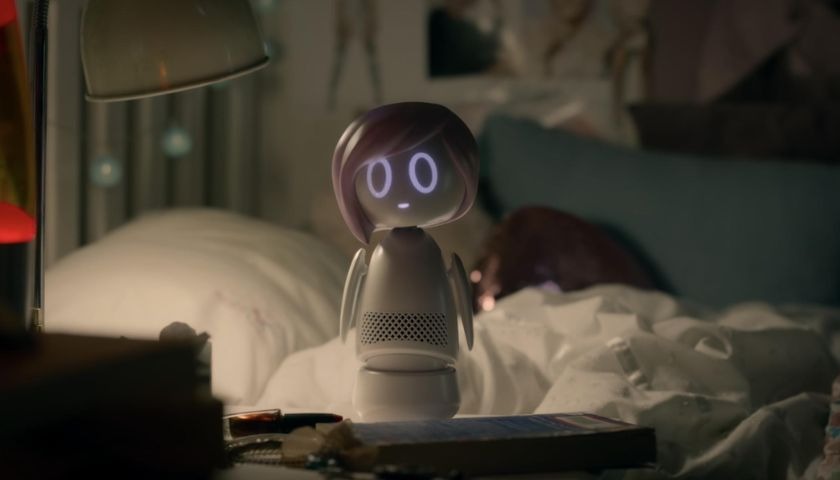
Black Mirror pushed things further with the Ashley Too episode. A pop star’s personality gets copied into a small AI doll.
It sounds cool until you figure out what it means. You’re not just buying a product. You’re shaping behavior.
Right now, you can tweak responses, tones, and interaction styles in AI systems. You can make them sweet, bold, playful, or quiet. That level of control feels powerful.
But there’s a line. When you design something to always agree with you, you stop being challenged. Without challenge, growth slows down.
So use the technology, but don’t let it box you in.
A Lars and the Real Girl Character Analysis
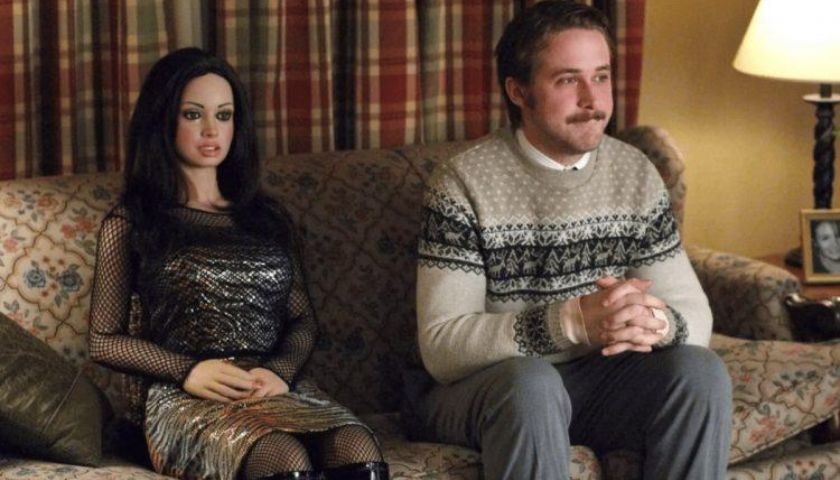
This film shifts the focus from design to emotion. The main character leans on his companion to work through fear, grief, and loneliness. Over time, that bond helps him open up to real people again.
That idea still applies: a physical companion can give you space to think, feel, and breathe without pressure. You’re not being judged or expected to perform. You’re just allowed to exist. For many people, that kind of quiet support is more valuable than anything flashy.
A Feminist Critique of Sex Dolls in Contemporary Art
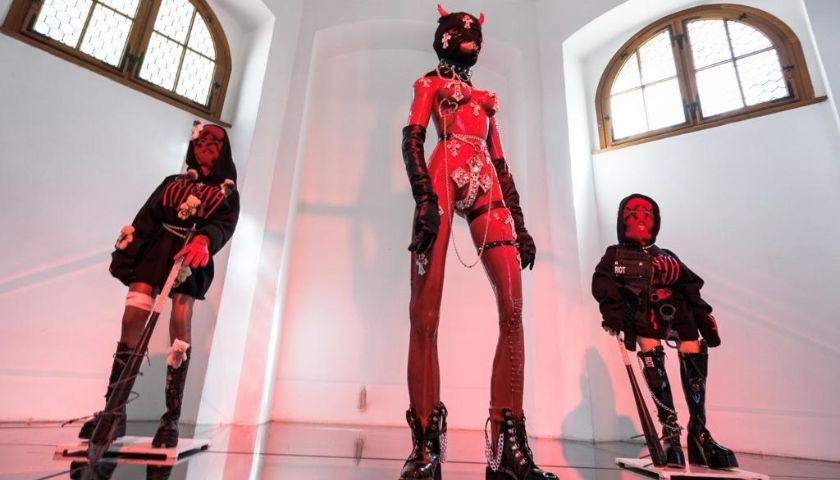
You will likely face strong opinions about your purchase. A feminist critique of sex dolls in contemporary art often focuses on power dynamics. They point out a few main concerns:
- The creation of unrealistic, harmful beauty standards.
- The replacement of complex human relationships.
- The commercial sale of human affection.
You might feel caught between these artistic views and your personal choices. Ignore harsh outside judgment. You buy a companion for your peace of mind and joy. Your happiness matters most.
You don’t need to justify your purchase to art critics or society. Caring for fembots is a personal choice. Art often challenges society and pushes boundaries.
Your life doesn’t have to be an art project. You deserve a quiet, simple life without constant debate. Focus on your mental health, and let critics argue while you enjoy your home.
Final Thoughts
You’ve seen fembots evolve from cold machines to something that looks and feels almost human. You’ve watched them question love, control, identity, and connection across decades of film.
Now the question turns to you. When you think about fembots, are you chasing a screen fantasy or building something that improves your life?