

Table of contents
You’ve seen the dramatic headlines. A news site posts a story about “robot wives,” and the comments explode. People react with fear, jokes, or confusion. They picture a future where people stop talking to each other and hide in dark rooms with silicone dolls.
That fear makes sense. We like to protect our social norms. When something challenges our ideas about intimacy, our first instinct is to resist it. But if you look past the shock factor, actually owning a doll is much less dramatic. For most owners, these dolls aren’t a sign of the end of the world. They’re simply a way to find comfort, pleasure, or a creative outlet.
Stigma grows in silence. When people don’t talk about this hobby, rumors fill the gap. It’s time to look at the facts and separate movie myths from real people’s lives.
Sex Doll Myths Debunked: The Reality
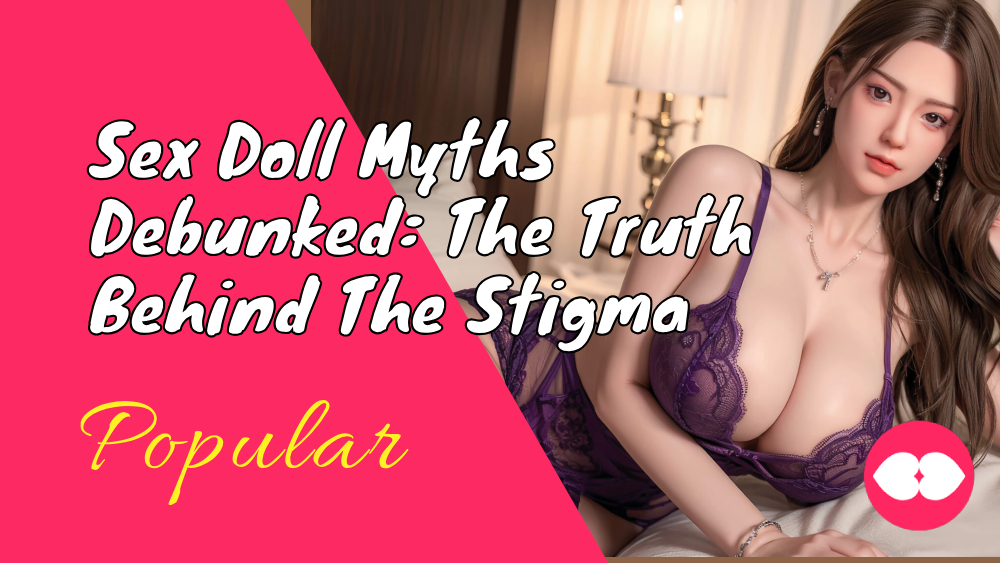
Modern sex dolls are very different from how movies portray them. They are not cheap, inflatable props hidden in closets. Most are high-quality figures made from silicone or TPE, designed to have realistic weight, texture, and detail. Many are custom-made to a buyer’s preferences, and some are expensive enough to cost as much as a used car.
For many owners, a doll is not just about sex. It can be a source of companionship, stress relief, creative expression, or even therapy, whether through art or photography. For others, it’s simply another adult product, like a vibrator or Fleshlight, just larger, more realistic, and made for them.
Some people collect sneakers. Some restore cars. Some buy dolls. It feels much less shocking when you see it as just another hobby.
Common Misconceptions About Sex Dolls
You might’ve heard all kinds of claims:
- “Sex dolls are illegal.”
- “You can’t hide one—they’re huge!”
- “Only men buy them.”
- “They’re dirty or unsafe.”
Most of these ideas come from films, jokes, or tabloid exaggerations. Real-life ownership is far deeper and, frankly, much more ordinary than Hollywood suggests. In reality, the community surrounding sex dolls is built on respect, discretion, and even artistry.
Who Actually Buys Them?
The biggest stereotype centers on the buyer. Society imagines a particular type of person bringing a doll home, and it’s usually wrong.
Are Sex Dolls Only for Lonely Men?
If you ask a stranger who buys sex dolls, they might picture a single, socially awkward man living alone. While single men are certainly part of the customer base, they are far from the only buyers.
The customer base is surprisingly diverse. Some of the owners are:
- Couples: Many partners buy a female or male doll to explore fantasies together. It allows them to experiment with a “third” person in the bedroom without the emotional complications of involving a real human.
- Widowers: Some older individuals buy dolls after losing a spouse. The silence in an empty house can be deafening. A realistic figure on the couch provides a sense of presence that eases the grief.
- Artists and Photographers: These dolls are stunningly realistic. Photographers use them as patient models to master lighting and angles. Fashion designers use them to drape clothes.
- Women: The market for male dolls is growing. Women buy them for companionship, safety, and pleasure.
Calling every buyer “lonely” overlooks the couples enjoying themselves and the artists creating with their dolls. It’s an easy stereotype that doesn’t line up with actual sales data.
Health and Safety Facts
Beyond the social judgment, many people also worry about hygiene. For people unfamiliar with these materials, a synthetic body can seem unsafe simply because they don’t understand it yet.
Do Sex Dolls Spread STIs?
Many people assume sex dolls are dirty and spread disease. In reality, they can’t create or carry an infection on their own.
STIs need a living host. A clean, unused doll can’t create bacteria or viruses because it has no blood, immune system, or living cells. On its own, it’s simply an object.
Problems only arise when basic hygiene is ignored, just like with any other adult toy. If multiple people share a doll without cleaning it properly, the risk of infection increases. Thus, the risk comes from poor hygiene, not from the doll itself.
Most manufacturers recommend cleaning dolls with warm water and gentle antimicrobial soap, then drying them thoroughly. Some users also add renewal powder or protective sprays. With this simple routine, owners can keep their dolls clean and safe to use.
When used properly, a sex doll is no more risky than any other intimate product.
Are Sex Dolls Bad for Mental Health?
For many people, dolls actually support emotional well-being. Some owners live with social anxiety, while others cope with PTSD, physical disabilities, or past trauma. For them, a doll offers a form of intimacy without the fear of rejection or judgment.
For some people, a doll becomes a safe way to practice connection. They can get more comfortable with touch, gain confidence, and become less fearful of intimacy. Over time, that growing comfort can carry into their relationships with real people, making it easier to trust, communicate, and feel close again.
Research on loneliness shows that what really matters is feeling like you have companionship. Even a one-sided presence can help lower stress. Dolls don’t replace real people, but they can take some of the sting out of feeling alone.
Owning a doll doesn’t mean someone is unstable. For many people, it actually helps them feel calmer and more balanced.
The Future of Intimacy
Technology moves quickly, and as dolls become more realistic, some people feel uneasy about what this means for human relationships. They worry that machines might tempt people to avoid the real, sometimes challenging work of loving another person. These fears stem from a genuine desire to protect intimacy, even if the reality is more complicated.
Do Sex Dolls Ruin Relationships?
The idea that owning a doll automatically leads to breakup drama isn’t quite right. In many relationships, the opposite is true.
Some couples introduce a doll as a shared experience and even refer to it as their “third.” When both partners agree, it can lead to honest conversations about desire, boundaries, and fantasies, which strengthens communication and trust. The most important part is being open about it. When trust breaks down in a relationship, it’s usually because someone is secretive about buying or using a doll.
For couples with different sex drives, a doll can feel more like a help than a problem. It can reduce stress, frustration, and emotional distance between couples. Instead of taking intimacy away, it can actually make things feel more fair and balanced for both partners.
Are Sex Dolls Replacing Real Relationships?
It’s easy to imagine a sci‑fi future where people stop dating humans altogether, but that’s not today’s reality.
People want real emotional connection, empathy, and shared moments. Dolls can’t give you that. They don’t talk back, surprise you, or truly understand you. They can add something to your life, but they don’t take the place of real relationships.
Think of it like video games versus outdoor sports. One doesn’t erase the other; both meet different needs. Sex dolls are similar. They exist alongside human relationships, not instead of them.
Even as technology improves, AI-driven “smart dolls” are still limited. They can respond, but they don’t actually feel anything. They’re tools for exploration and comfort, not replacements for real love or human connection.
Defining Your Own Normal
Society has a long list of rules about how you should live. It tells you who to date, how to spend your money, and which hobbies are acceptable. But those rules are constantly changing. Fifty years ago, dating apps were unthinkable. Today, they’re completely normal.
You get to decide what makes you happy. If a doll gives you companionship, creative satisfaction, or sexual freedom, that’s your choice. You’re not hurting anyone. You’re not spreading disease. You’re simply living your life in a way that works for you.
The stigma is just noise. It usually comes from people who are afraid of what they don’t understand. You don’t have to take it to heart. Focus on your own happiness and mental wellness. If you’re curious, take a look at the craftsmanship yourself. You may find that the reality is less scary and much more interesting than the myths make it seem.